About Underground Sewage Treatment Plant
An Underground Sewage Treatment Plant (STP) is designed to treat domestic sewage and wastewater while being installed below ground level, making it ideal for locations where surface space is limited. These systems are commonly used in residential complexes, hotels, hospitals, commercial buildings, and institutions.
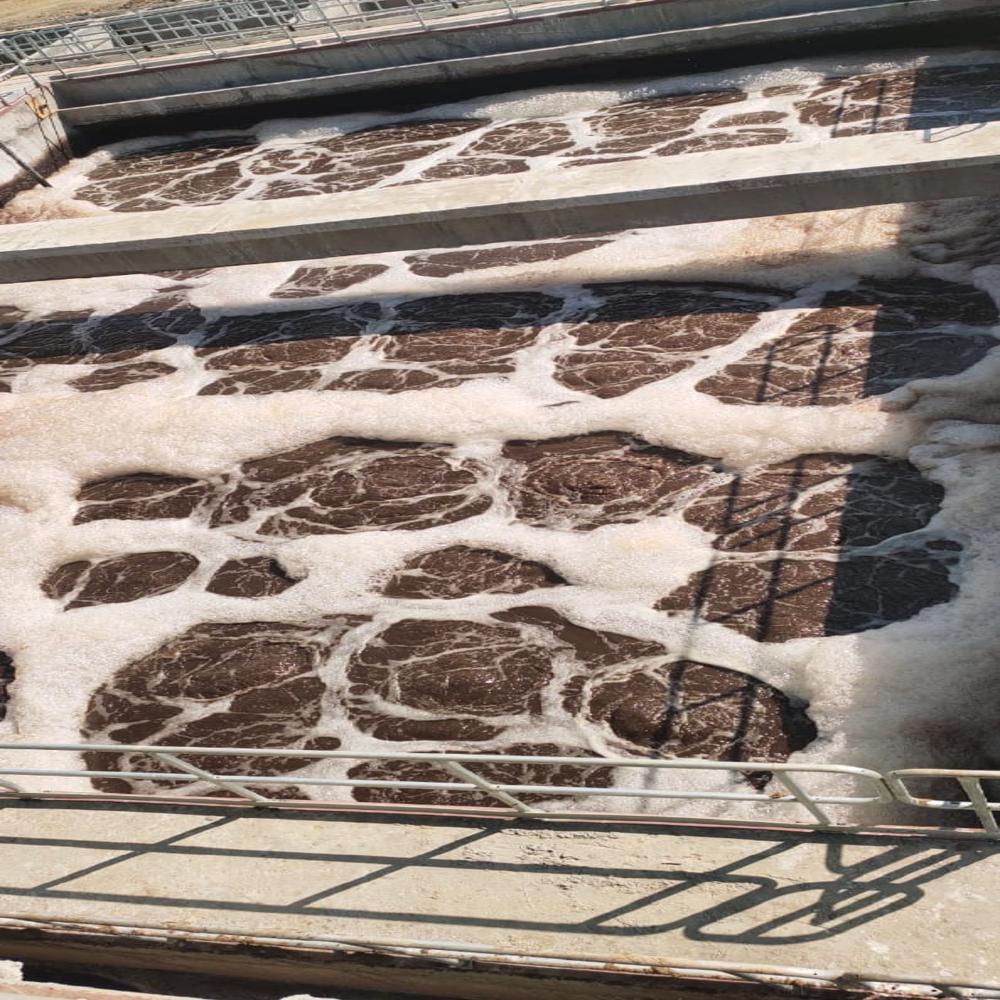
The plant treats sewage through multiple stages including screening, biological treatment, sedimentation, filtration, and disinfection to remove contaminants, organic matter, and suspended solids from wastewater. Technologies such as Moving Bed Biofilm Reactor (MBBR), Sequential Batch Reactor (SBR), or Membrane Bio Reactor (MBR) are often used for efficient sewage treatment.
The treated water produced by the plant can be safely reused for gardening, flushing, landscaping, and cooling towers, helping reduce freshwater consumption and support sustainable water management. Underground STPs are designed for low noise, odor control, and minimal visual impact, making them suitable for urban environments.
Specifications
| Parameter |
Specification |
| Plant Type |
Underground Sewage Treatment Plant |
| Capacity |
5 KLD 500 KLD |
| Technology |
MBBR / SBR / MBR |
| Material of Construction |
RCC / FRP / Mild Steel |
| Installation Type |
Underground |
| Automation Grade |
Semi-Automatic / Automatic |
| Operating Voltage |
220V / 380V / 415V |
| Treated Water Quality |
Suitable for Reuse (Gardening / Flushing) |
| Water Recovery |
Up to 9095% |
| Application |
Residential Complexes, Hotels, Hospitals, Commercial Buildings |


 Mon-Sat 9.00 AM to 6.00 PM


 Send Inquiry




 Send Inquiry


 Send Inquiry
 Send SMS



 English
 Spanish
 French
 German
 Italian
 Chinese (Simplified)
 Japanese
 Korean
 Arabic
 Portuguese
